Career profile | Firefighter
Always ready to leap into the red truck with the siren blaring, a firefighter is far more than someone who fights fires.
By the Wapply team
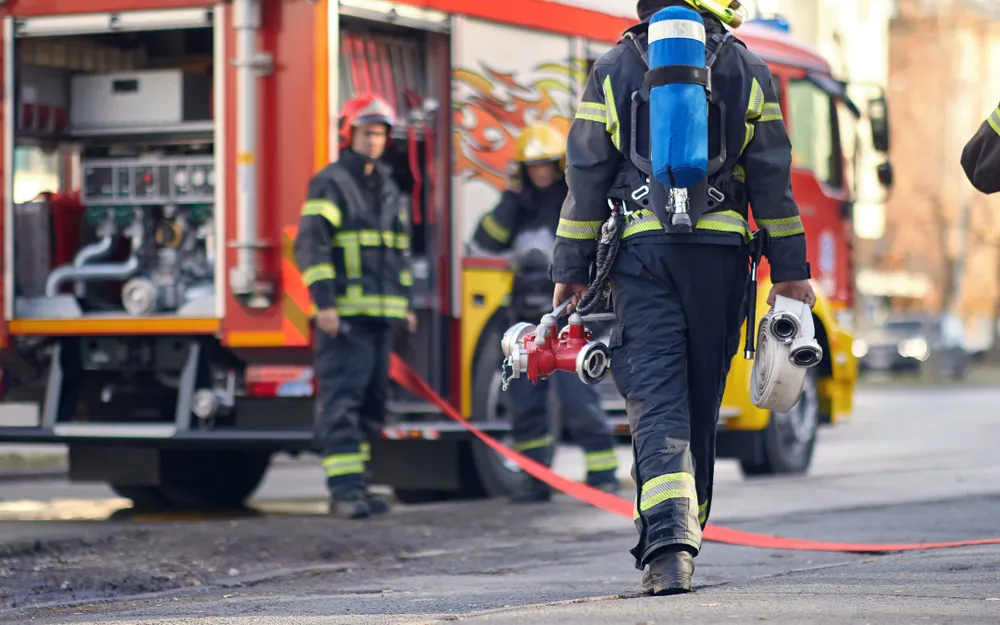
Always ready to leap into the red truck with the siren blaring, a firefighter is far more than someone who fights fires. They rescue, protect and reassure, whether it's a blaze, a road accident, a flood or even… a cat stuck up a tree.
A job of passion and commitment, it calls for a cool head, courage and team spirit.
What does a firefighter do?
- Attend fires to protect people, animals and property
- Rescue the victims of accidents or disasters
- Prevent risks through awareness-raising work
- Maintain equipment and keep physically fit
- Carry out environmental protection work (pollution, hazardous substance leaks…)
How do you become a firefighter?
- Volunteer firefighter: initial training at a fire station (open from 16–18 depending on the area)
- Professional firefighter: national entrance exam (secondary-school level for the entry grade), followed by training at a regional or national college
- Other routes: military firefighter, Marseille marine firefighter, airport firefighter
Essential qualities
- Courage and composure
- Quick thinking and a sense of responsibility
- Empathy and people skills
Technical skills
- Mastery of firefighting techniques
- First aid and emergency care
- Use of self-contained breathing apparatus and specialist tools
- Knowledge of fire safety and prevention
How much does a firefighter earn?
- Professional firefighter, starting out: around €1,800 gross a month plus allowances
- Volunteer firefighter: hourly allowance (roughly €8 to €12 an hour depending on grade)
- Pay rises with seniority, rank and specialist duties
A firefighter can move up to crew leader, team leader, officer or instructor roles, or specialise (diver, dog handler, rope rescue teams working in hazardous environments).
With climate change, firefighters are increasingly called out to wildfires, floods and extreme weather events. The job is modernising too, with new equipment and drones used to locate incidents.
- 7.30 a.m.: Briefing and equipment checks
- 9.00 a.m.: Physical training and technical drills
- 11.45 a.m.: Call-out to a road accident
- 2.00 p.m.: Prevention session at a school
- 5.20 p.m.: Back to the station to service the vehicles
- 8.15 p.m.: Emergency call-out to a house fire