Watch out: a tense return to work!
An explosive September: the civil servants' strike meets the government's shock reforms. What changes for employees!
By the Wapply team

Brace yourself, this September is electric. On one side, the industrial relations front is ablaze with strike calls; on the other, the government has dropped a bombshell on the world of work. A genuinely explosive cocktail that threatens the balance between work and private life.
Industrial relations at boiling point: a general strike ahead?
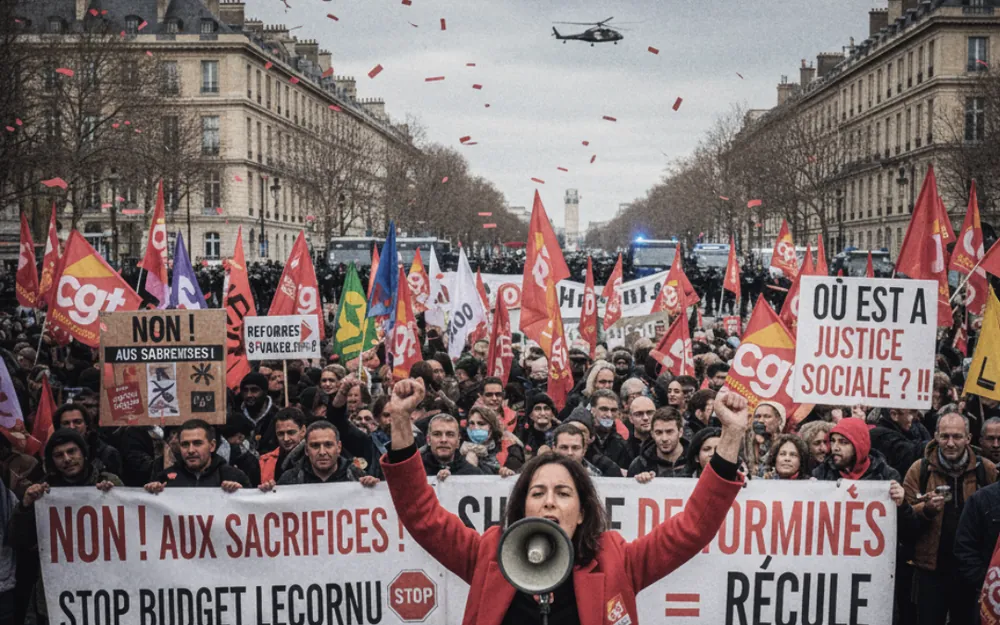
It's the big event of the season: the CGT union has called for a mass mobilisation, a strike “to block everything” on 10 and 18 September. The target? François Bayrou's 2026 budget, seen as an austerity plan.
Even though FO and the CFDT aren't joining the strike on the 10th, they will be there on the 18th — a sign of growing anger. Public sector workers, from hospitals to schools, are on a war footing to defend public services. The battle is only beginning.
The government's bombshell: six reforms that change everything
Alongside this standoff, the government has put forward reform plans that could upend daily life for every employee. The official aim? To “have everyone work, and work more” and to “work better”. For the unions, it's a full-frontal attack on hard-won rights.
Here's what could be coming in 2026:
Cashing in the fifth week of paid holiday The idea? Letting you sell your fifth week of holiday back to your employer. Officially to give you more spending power, but the unions warn of a disguised obligation to give up your rest.
Scrapping two public holidays To save money, the government is considering scrapping two public holidays, potentially Easter Monday and 8 May. Employers would pay a contribution in exchange for the extra working time. Target: €4.2 billion for the state budget.
Sick pay waiting days doubled For sick leave, the number of unpaid days could rise from 3 to 6. Health insurance would only start paying from the 7th day. A measure to cut spending, but one that could hit your wallet hard if your health gives way.
Restricting settlement agreements The government believes there are too many “abuses” and “disguised resignations” weighing on unemployment insurance. The aim: tighten the conditions for access.
Short contracts: the rules change It would no longer be industry-wide bodies that set the rules for fixed-term and other short contracts, but companies directly. The aim: to make the market more “fluid”, but with a greater risk of insecurity.
Tackling involuntary part-time work A reform to protect vulnerable workers, especially women (80% of cases), by strengthening rights over working hours and travel time. A measure meant to be socially minded, but which comes with a loosening of the barriers to hiring.
Anger rises, chaos sets in
These reforms are only pouring petrol on the fire. On the employers' side, the head of the MEDEF federation himself warned against “adding chaos to chaos”. On the employees' side, the combination of reform plans and announced strikes makes the situation explosive. This September is shaping up as a test for social dialogue and a moment of truth for workers in every sector.