Unemployment in the crosshairs: the new reform sparking debate
François Bayrou's government is preparing a new unemployment insurance reform. Length of benefits, eligibility conditions…
By the Wapply team

Here we go again. François Bayrou's government has just unveiled a new unemployment insurance reform.
The aim is clear and blunt: save up to €2.5 billion a year from 2026, with an ultimate target of €4 billion by 2030. A colossal sum on an explosive subject.
Fewer rights, more conditions?
According to a document seen by AFP and reported by Le Monde, the plan is radical. For the government, people need to “work more”. The solution? Change the rules of the game for jobseekers.
Here are the main options on the table:
- Minimum period of employment: you'll have to work longer to qualify for unemployment benefit.
- Reference period: the window used to calculate your entitlement could also change.
- Settlement agreements: stronger incentives for those who leave this way.
- Older workers: a greater effort is expected to get them back into work.
In short, the government reckons France's benefit conditions are “among the most generous” in Europe and that it's time to tighten them.
The unions bare their teeth
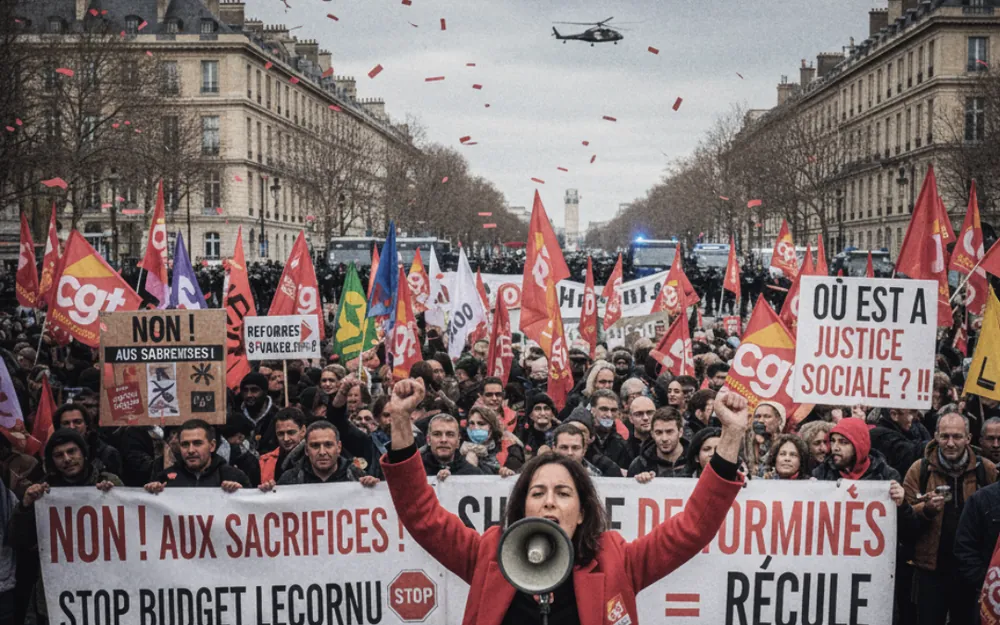
Unsurprisingly, it isn't going down at all well with the unions. The union alliance (CGT, FO, CFDT, CFE-CGC, CFTC) condemns an “unacceptable wrecking” and a “full-blown attack on workers' rights”. For them it's simple: this reform will hit the most precarious, and permanent employees who lose their jobs.
“A violent savings plan,” said Denis Gravouil (CGT). Marylise Léon (CFDT) speaks of “total carnage for jobseekers”.
The unions don't intend to take it lying down. They have already launched a petition and FO has filed a strike notice. A meeting is set for 1 September to decide what comes next.
Tick-tock, the countdown has started
The government has set a deadline: employers and unions have until 15 November to reach an agreement. If they fail, the government will take over and impose its own rules.
This battle comes after a similar reform, led by Gabriel Attal, which was suspended when the National Assembly was dissolved.
The suspense is total
It remains to be seen whether unions and employers can come to terms, or whether the standoff goes all the way.